
If you've read our beginner buying guide, you know you only need three discs to start: a driver, a mid-range, and a putter. That means you also don't need the enormous 25+ disc tour bags you'll see top players carrying on the course — those are built for a very different stage of the game.
What actually matters in a starter bag
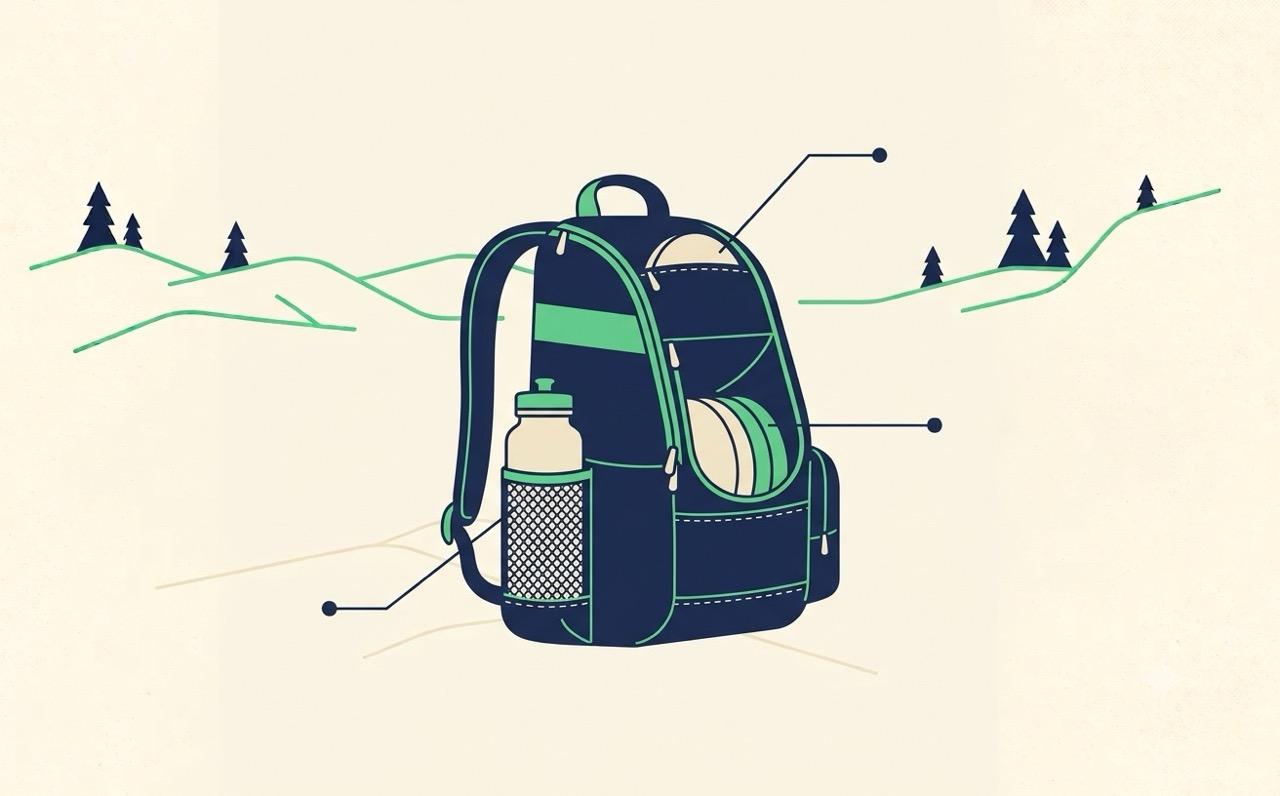
Capacity. Look for something in the 8–18 disc range. That gives you room to grow past your starter three discs as you add a couple of backups and a couple of new molds, without paying for capacity you won't use for a year or more.
A comfortable strap. You'll be walking 18 holes, often over uneven terrain, for a couple of hours. A padded, adjustable shoulder strap (or a backpack-style dual-strap setup) makes a bigger difference in comfort than almost any other bag feature. Try it on with a few discs in it before deciding it feels fine.
A dedicated putter pocket. You'll reach for your putter on almost every hole, both for approach shots and the actual putt. A separate top or side pocket that lets you grab it without digging through your whole bag speeds up play and is one of the most-used features on any bag.
Water bottle and accessory pockets. A side mesh pocket for a water bottle and a small zip pocket for things like a mini marker, snacks, or your phone go a long way. Speaking of mini markers — most courses and casual groups expect you to mark your lie with either your previous disc or a dedicated mini marker disc rather than leaving your whole disc on the ground, so it's worth tossing one in your bag from day one.
Backpack style vs. shoulder/sling style
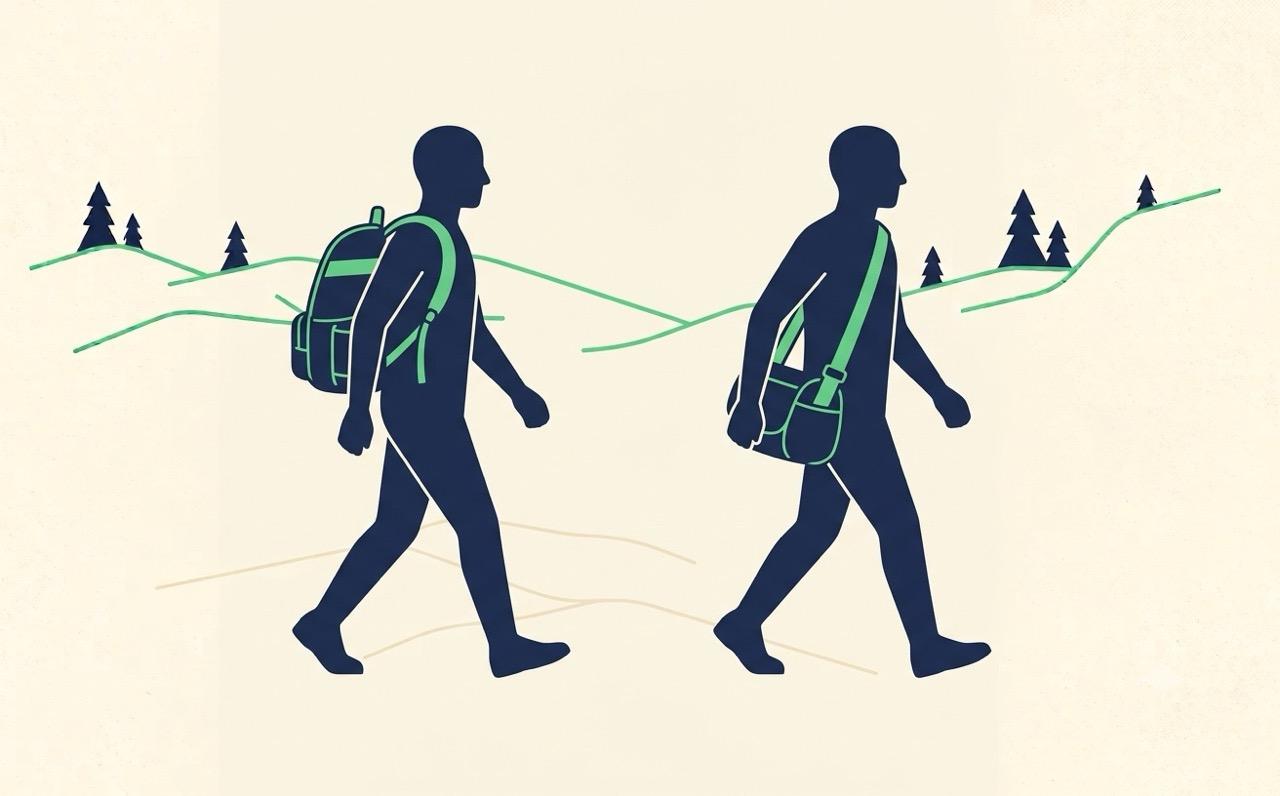
Entry-level disc golf bags generally come in two shapes:
- Backpack-style bags, like the Dynamic Discs Disc Golf Backpack, distribute weight across both shoulders and usually include a few storage compartments beyond just discs — often room for a water bottle, snacks, and a rain jacket. These are a comfortable, low-cost way to start, especially if you're walking longer courses.
- Shoulder/sling bags are smaller and lighter, often just enough for a starter set plus a couple of extras. They're a fine option if you know you'll be carrying light for a while, but they put more of the load on one shoulder over a full round.
For most beginners, a backpack-style bag strikes the best balance of comfort, capacity headroom, and price. You can always upgrade to a cart-compatible tour bag later once you know how many discs you actually carry regularly — most players' bags settle somewhere between 15 and 25 discs once their game matures, which is a good problem to have once you get there.
Don't overspend on day one
A solid starter backpack typically runs well under what a tour bag costs, and it will comfortably outlast your first couple of seasons. Save the premium bag purchase for once you've played enough rounds to know your own preferences — how you like pockets organized, whether you want a fold-out disc rack, and how much extra gear you actually carry.