
Every disc golf disc on the market ships with four numbers on the packaging, usually written as something like 12 / 5 / -1 / 3. Those are Speed, Glide, Turn, and Fade — the flight rating system that Innova pioneered and that most manufacturers now use in some form. Understanding them is the fastest way to stop buying discs that don't fly the way you expect.
Speed (1–14)

Speed measures how fast you need to throw a disc for it to fly the way it's designed to — it's really a proxy for rim width. Thin-rimmed discs like putters (speed 1–3) can be thrown well by almost anyone, including kids and beginners, because they don't need much velocity to fly cleanly. Thick-rimmed distance drivers (speed 10–14) need real arm speed to work properly; thrown too slowly, they just stall and drop.
This is why a beginner throwing Innova Destroyer (speed 12) often gets less distance than throwing Innova Leopard3 (speed 6) — the Destroyer needs power the thrower doesn't have yet to ever reach the part of its flight where the speed rating pays off.
Glide (1–7)
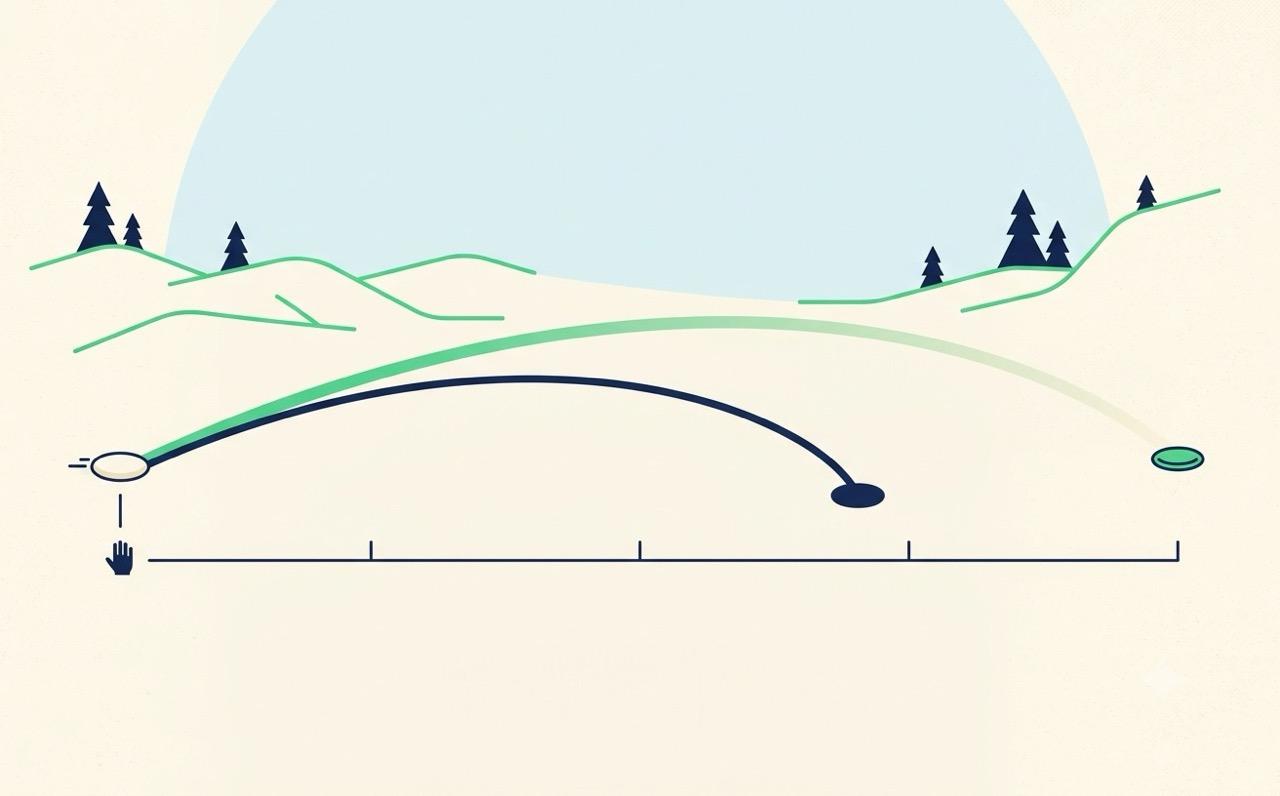
Glide measures how well a disc maintains loft and "floats" during flight, independent of speed. High-glide discs stay in the air longer and are more forgiving of a slightly weak throw, which is a big part of why they're popular with newer players and for maximizing distance. Very low-glide discs drop out of the air faster, which is sometimes desirable for control and predictability, especially in wind.
Turn (+1 to -5)
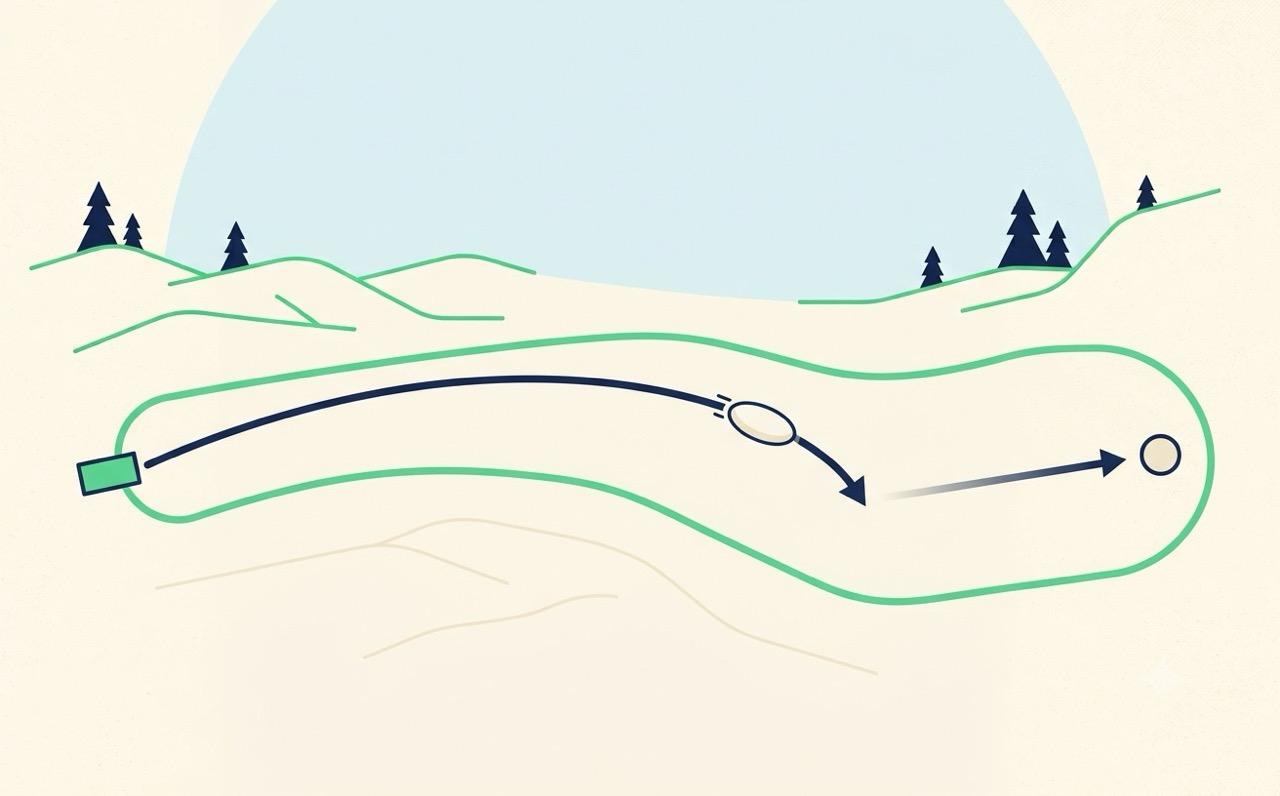
Turn describes a disc's tendency to bank away from your hand's natural spin direction (right, for a righty backhand) during the high-speed part of its flight, right after release. A disc with turn of 0 or +1 holds its initial line; a disc with turn of -3 to -5 will bank noticeably to the right early in flight before straightening out or fading back left. Discs with more negative turn are called understable and are generally easier to throw far with less power, because that early turn helps the disc keep flying rather than fighting against a fade.
Fade (0–5)
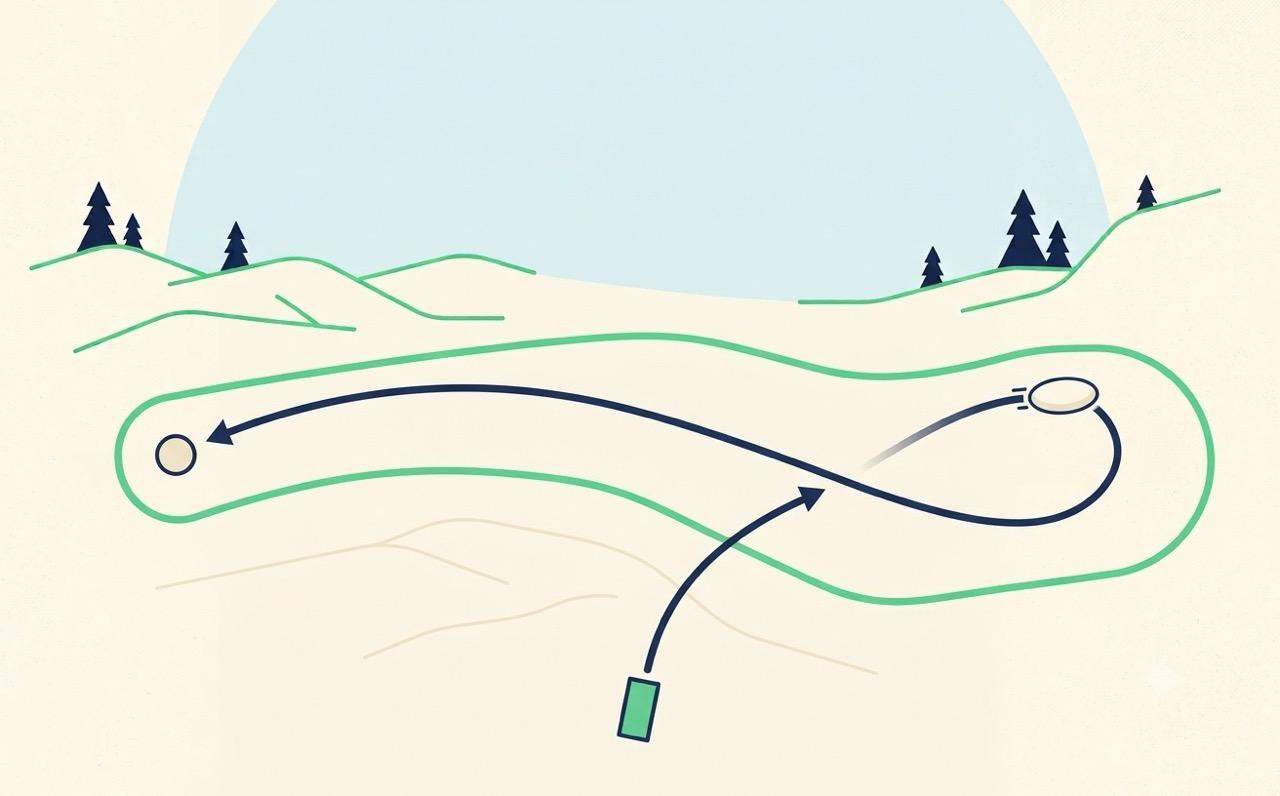
Fade is the opposite-direction hook at the end of the flight, once the disc has slowed down — for a righty backhand, this is the leftward drop as the disc loses speed and its natural stability reasserts itself. Higher fade numbers mean a more pronounced hook at the finish. Beginners often struggle with high-fade discs because that end-of-flight hook can turn what looked like a great drive into a shot that dives hard into the rough.
Putting the numbers together
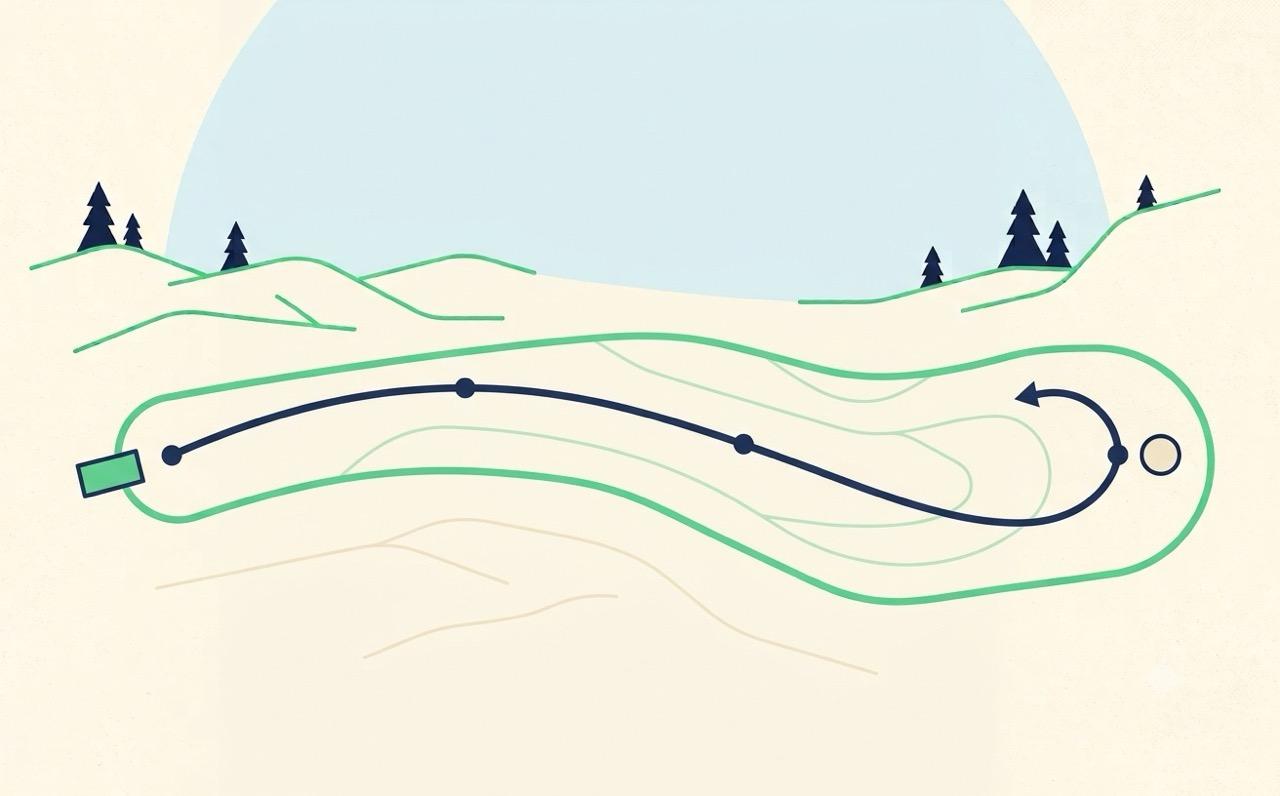
Here's how the ratings play out across real, widely available discs:
- Innova Destroyer — 12 / 5 / -1 / 3: a fast, fairly overstable distance driver built for players with enough arm speed to unlock that speed rating. Rewards power and consistent form; punishes weak, off-axis throws.
- Innova Leopard3 — 6 / 5 / -3 / 1: a slower, understable fairway driver that turns gently and holds a flat line at moderate power, making it far more forgiving while you're building distance.
- Discraft Buzzz — 5 / 4 / -1 / 1: a near-neutral mid-range that flies straight at a wide range of power levels — the definition of a "go-to" disc.
- Innova Aviar — 2 / 3 / 0 / 1: a straight-flying, low-speed putter with essentially no turn and mild fade, the industry's reference point for a "stock" putter flight.
As a rule of thumb when shopping: if you're newer to the sport or your throws are landing well short of where a disc's flight numbers suggest they should, drop down in speed before you add more overstable fade. Power comes with reps — pick discs your current arm speed can actually control, and let your bag grow with your game.
Ready to put together your first set? Start with our beginner buying guide.